Engineering Invisible Safety with 0.01 mm Precision.
Precision defined. Comfort engineered. Protection trusted.
ENGINEERED PROTECTION
Beyond
Waterproof.
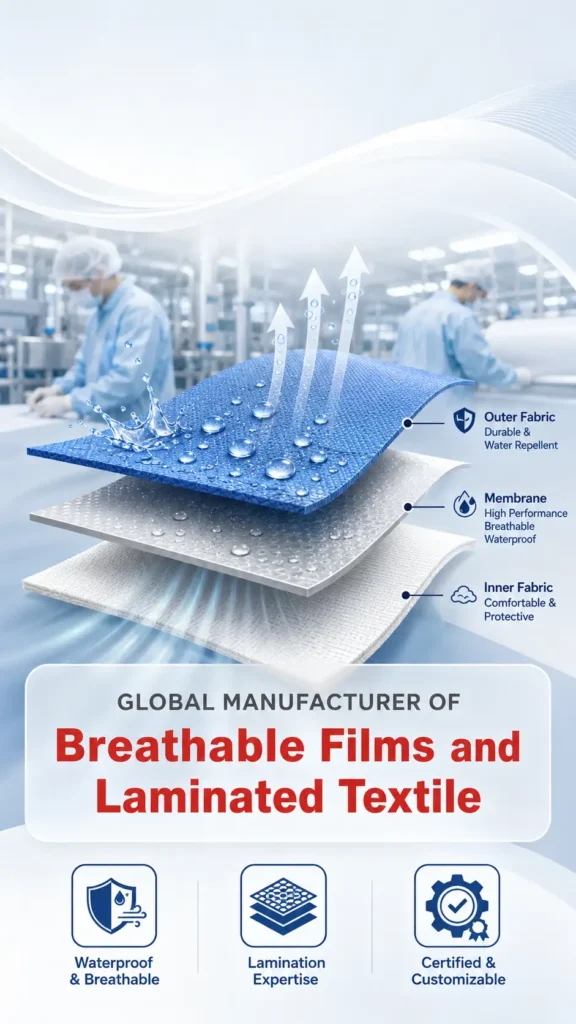
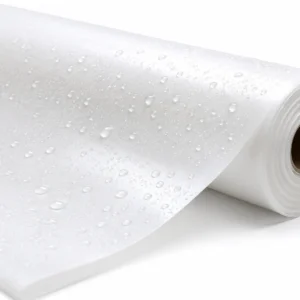
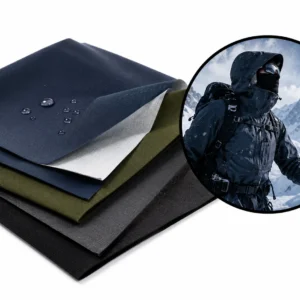
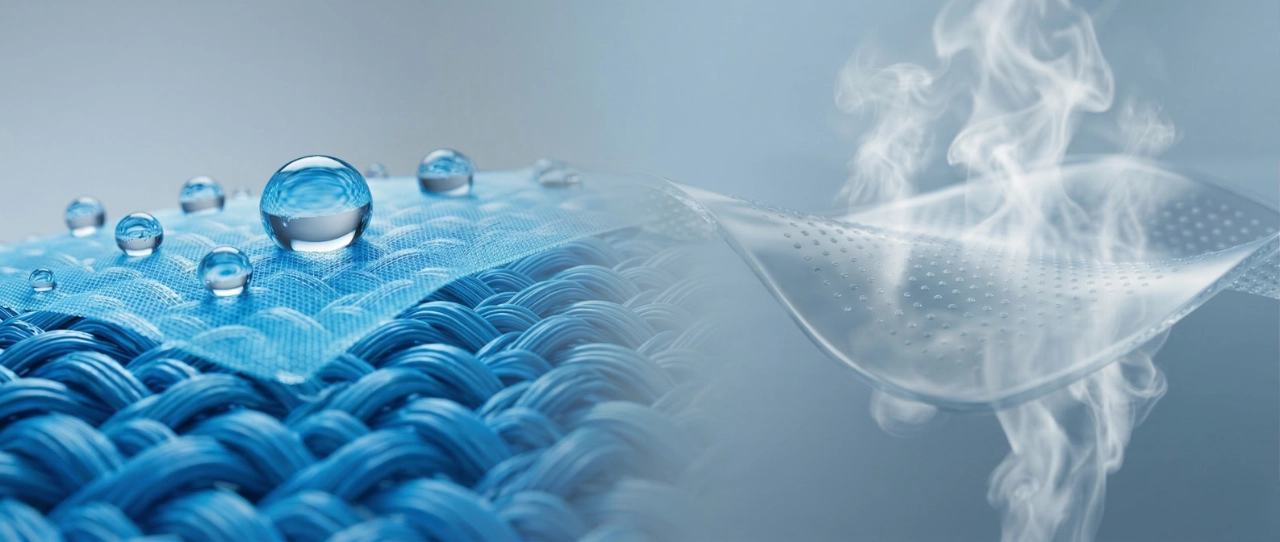
Advanced 3-layer lamination technology. Delivering absolute weather resistance without compromising micro-porous breathability.
Inner layer
Breathable & Waterproof
Membrane
Membrane
Face Fabric
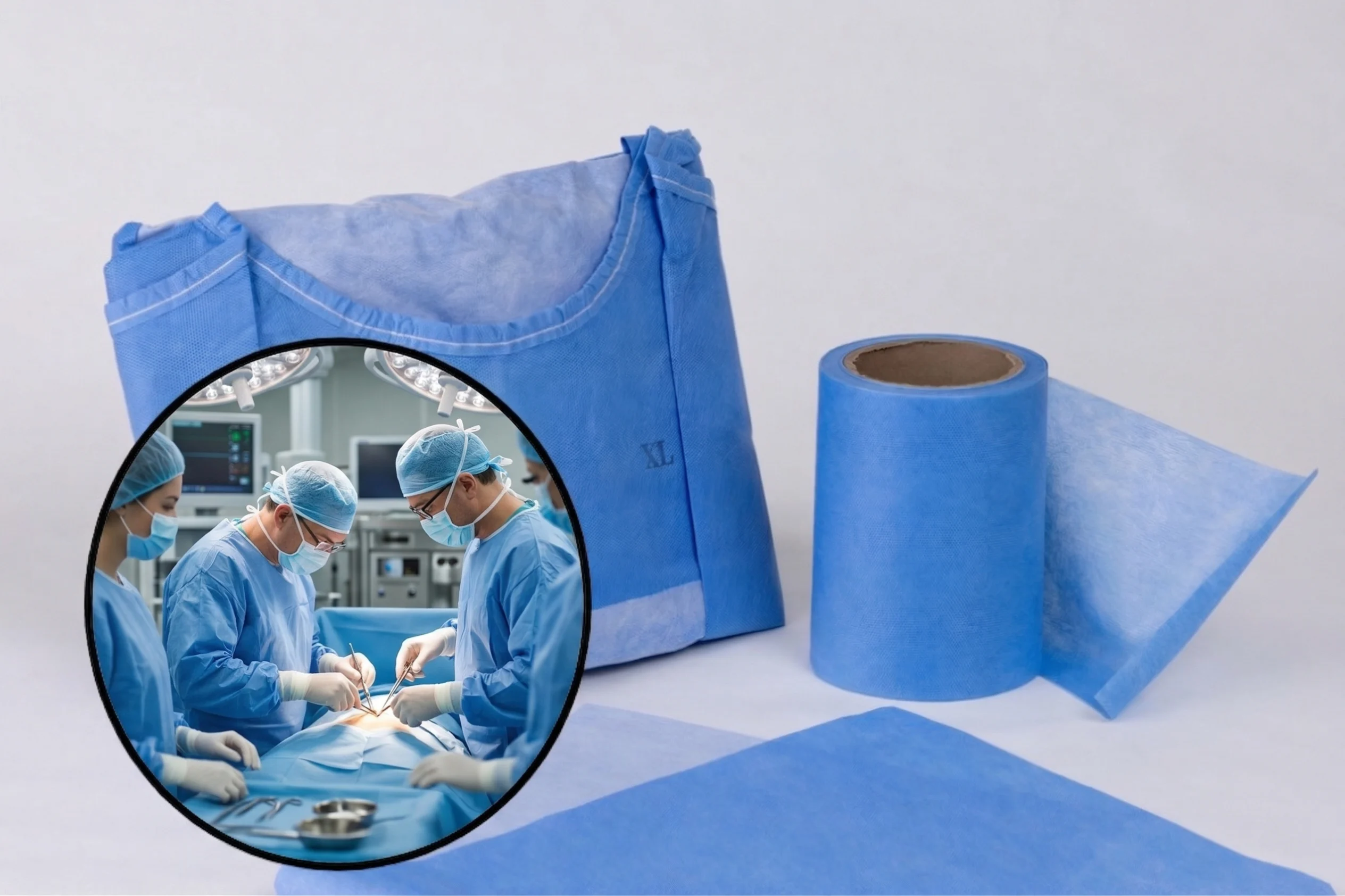
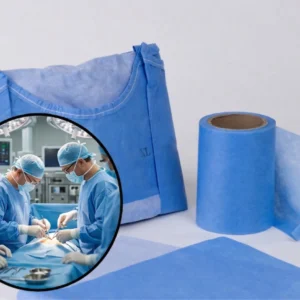
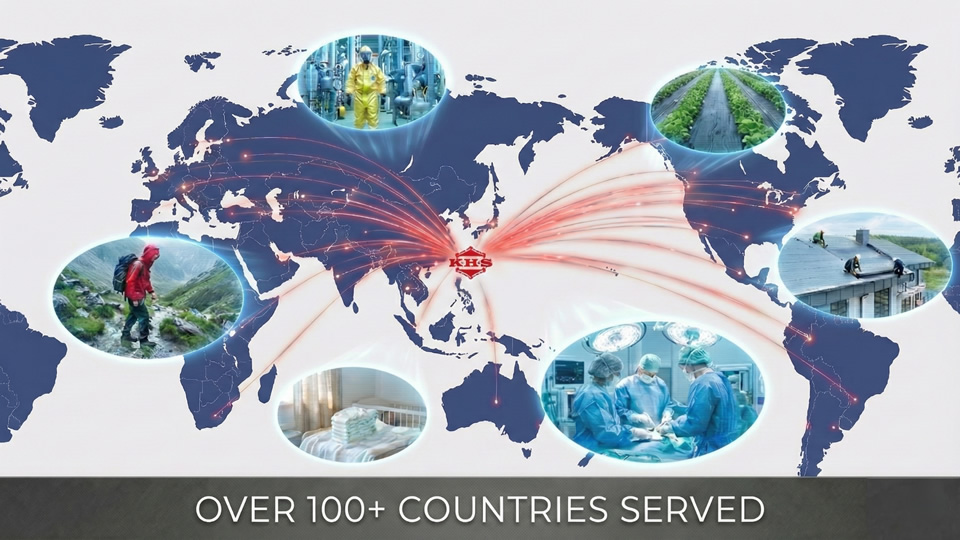
Medical
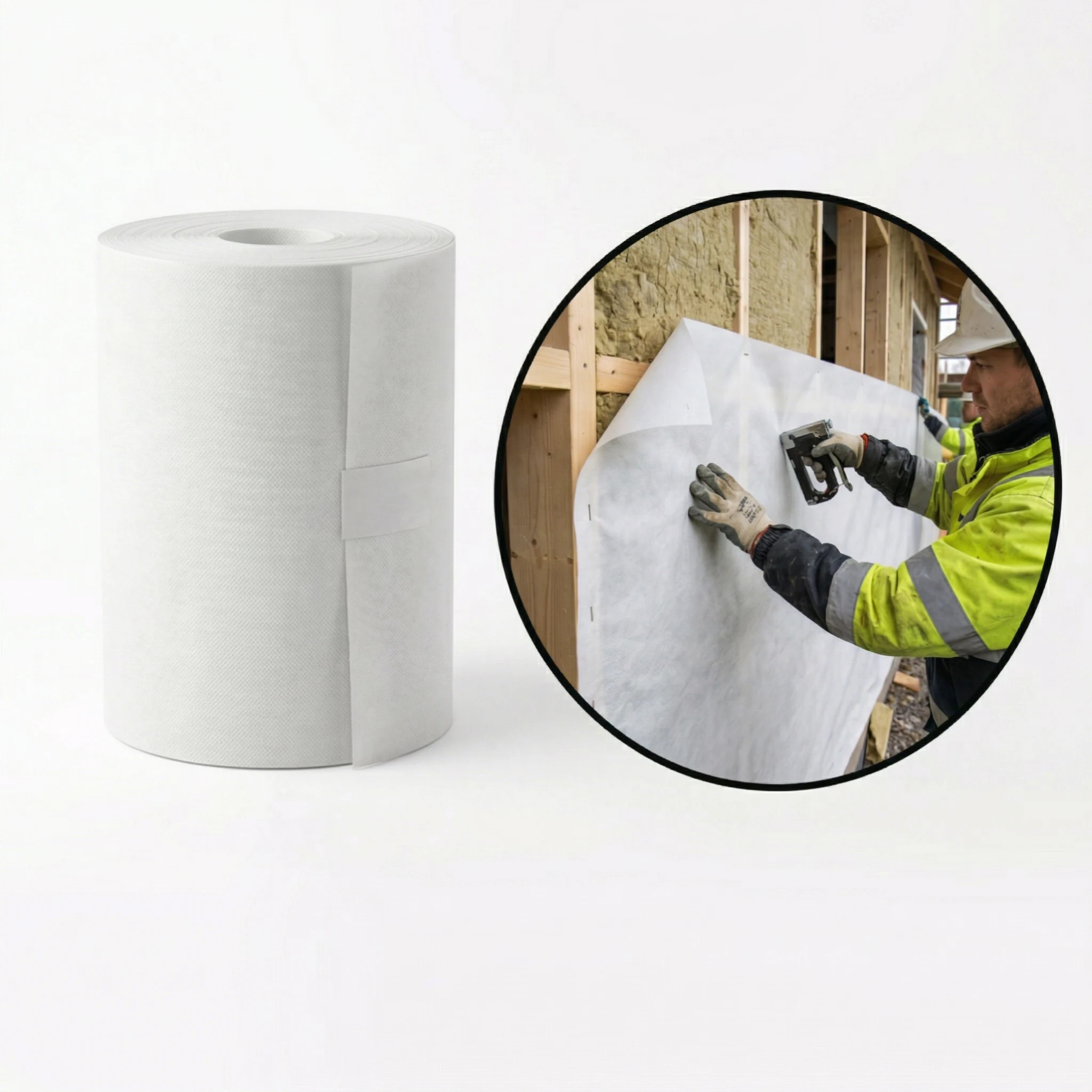
Construction
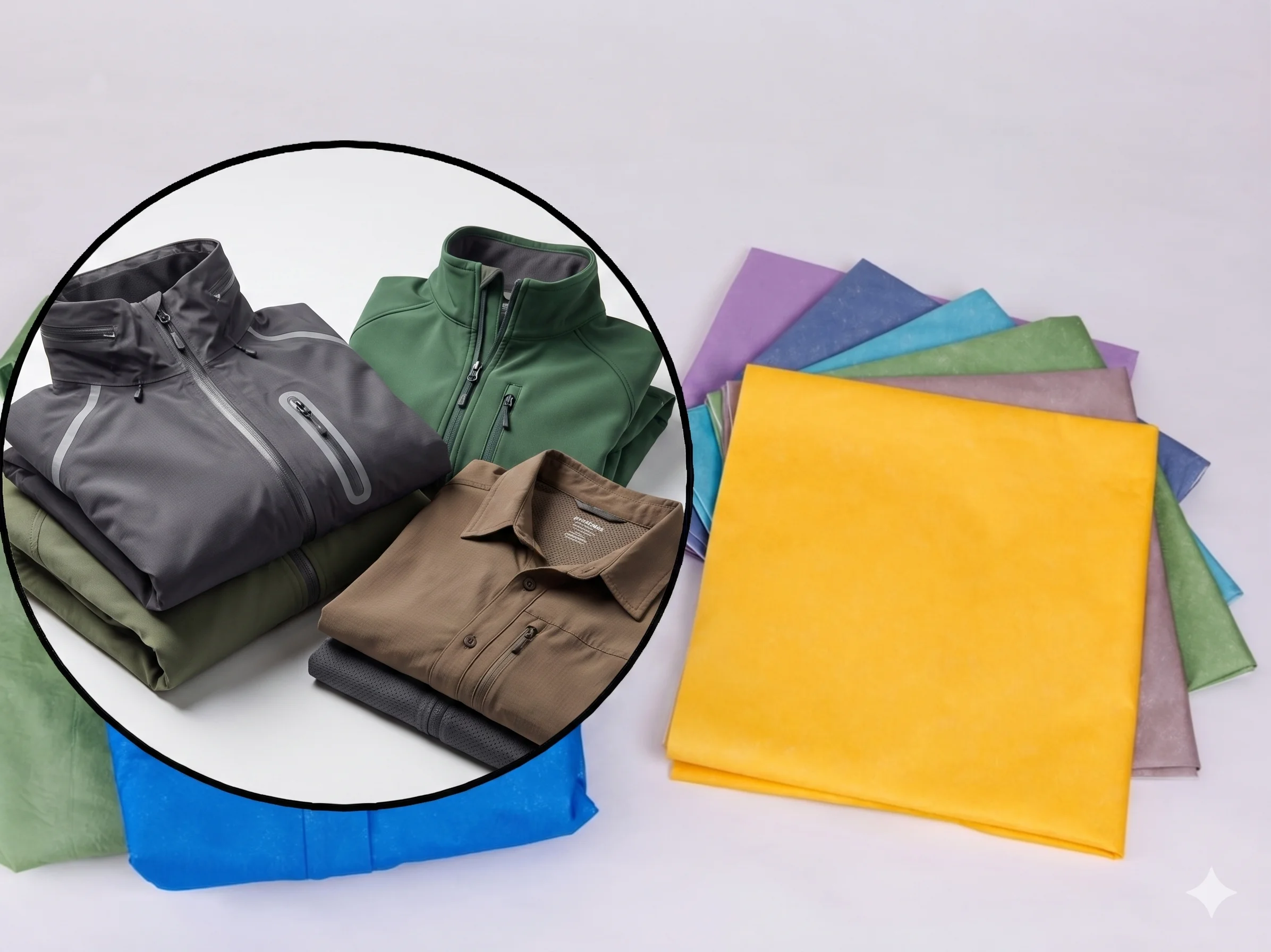
Outdoor
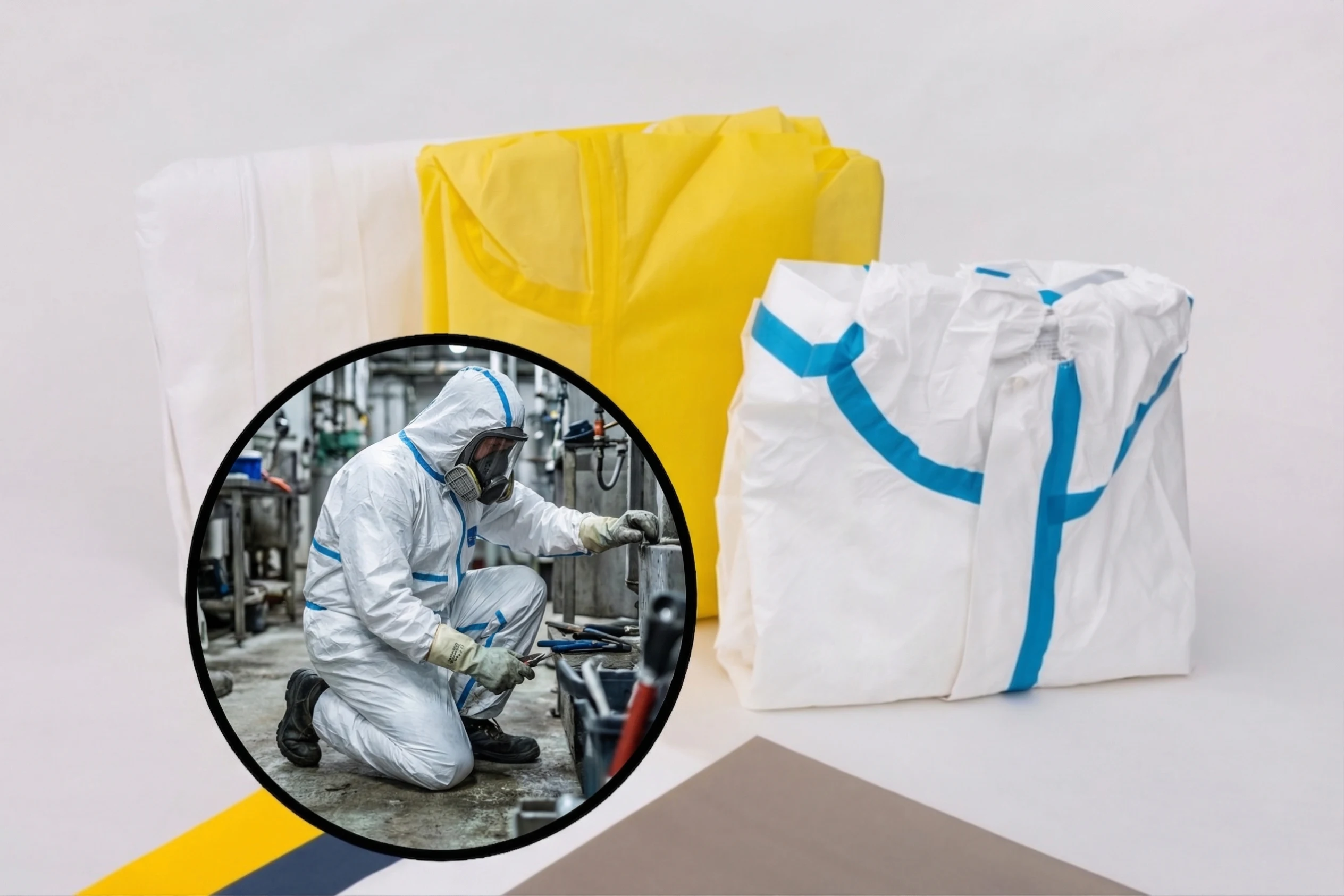
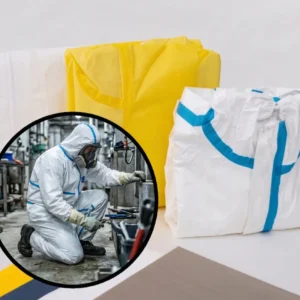
Industrial
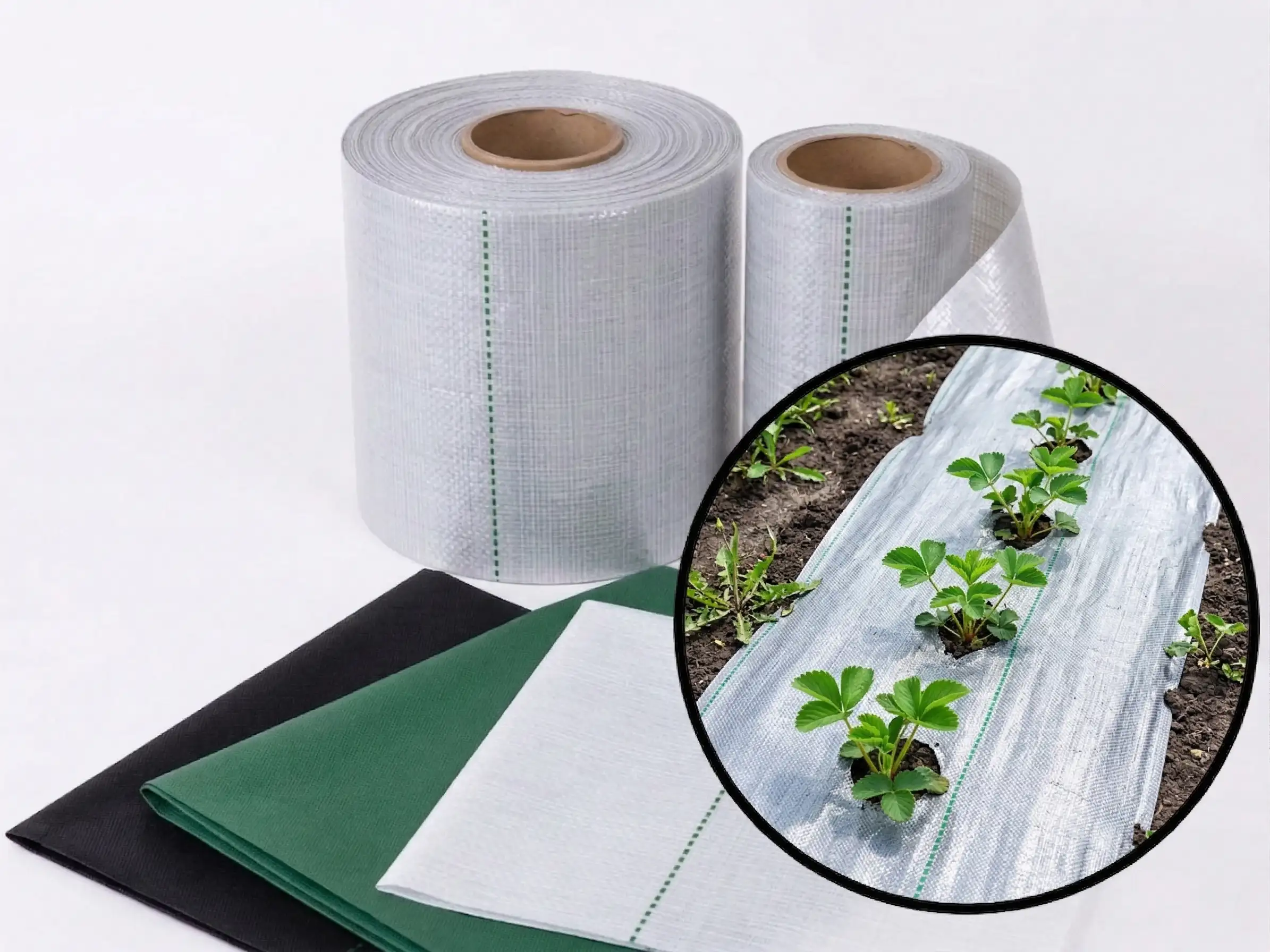
Agricultural
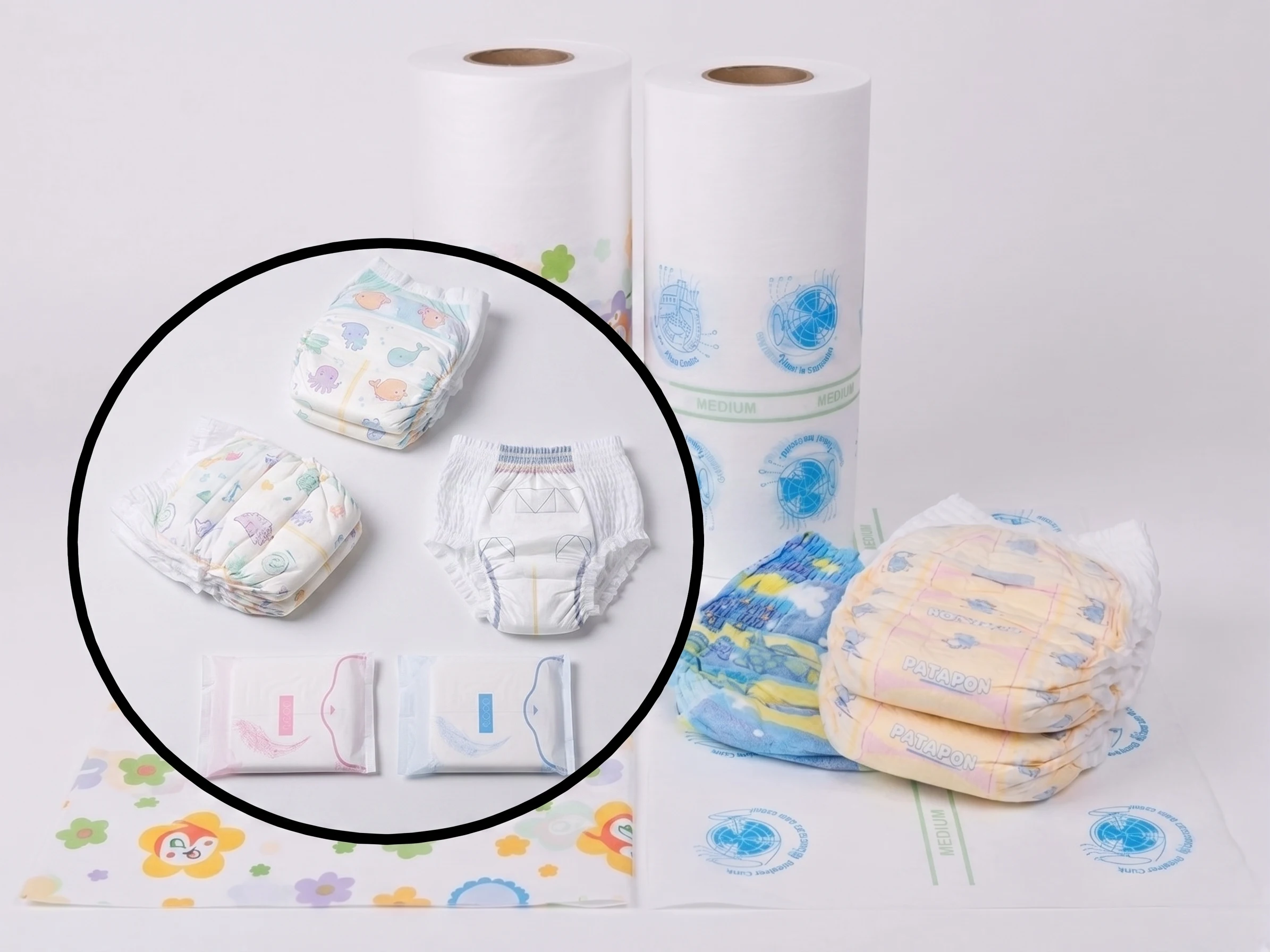
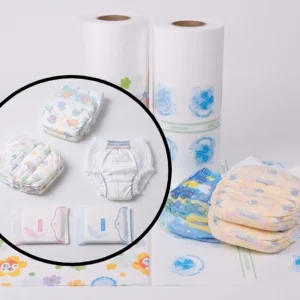
Hygiene
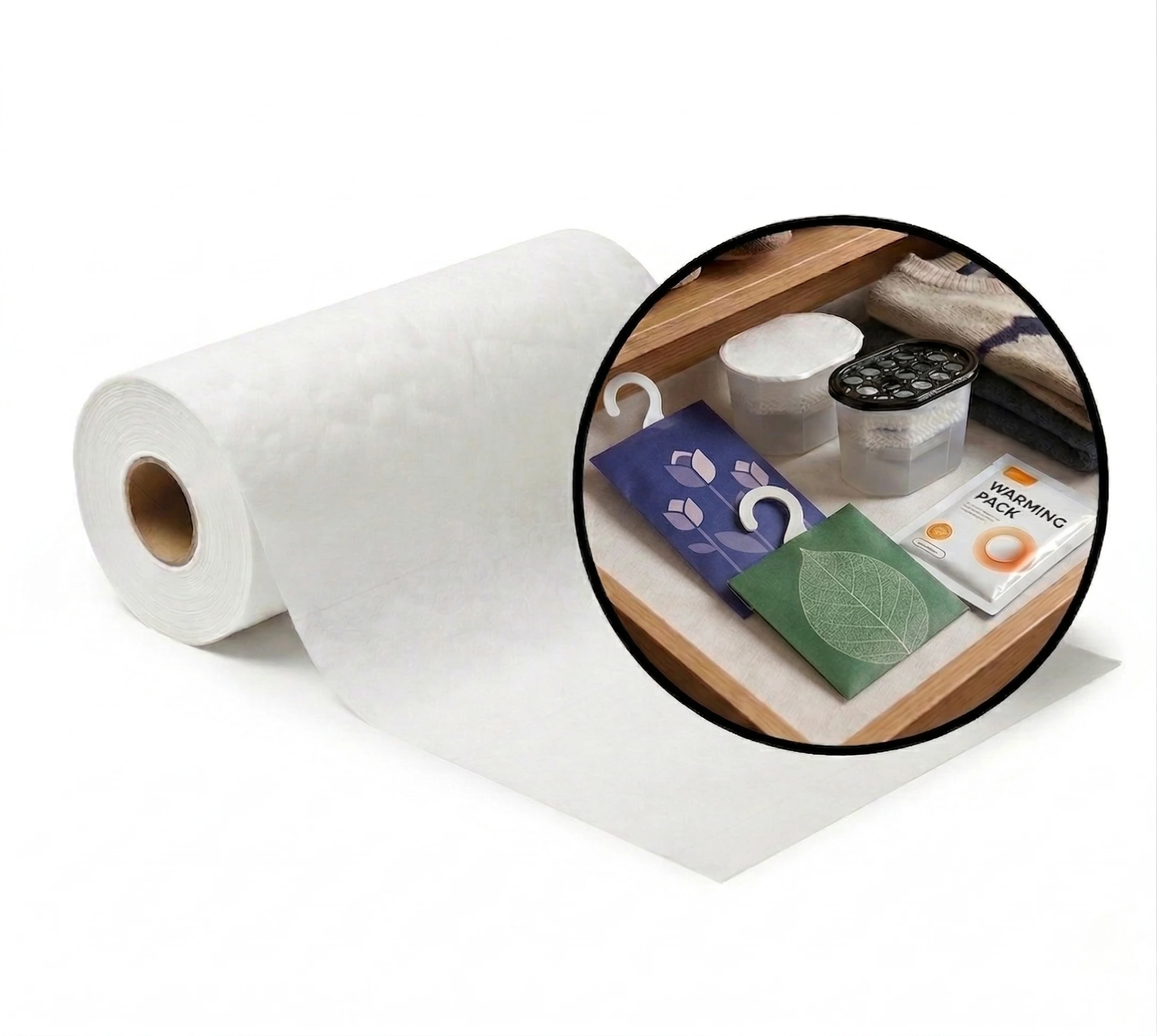
Packaging
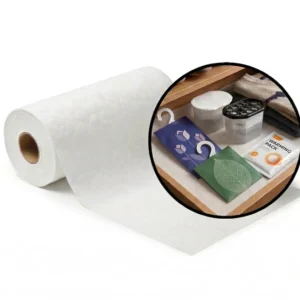
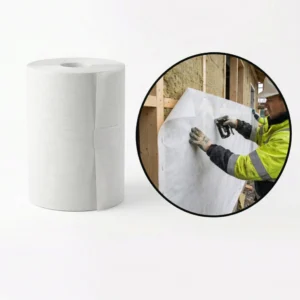
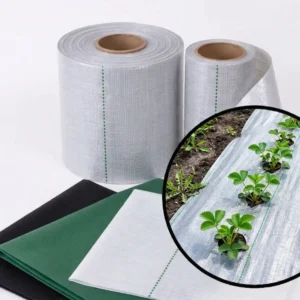
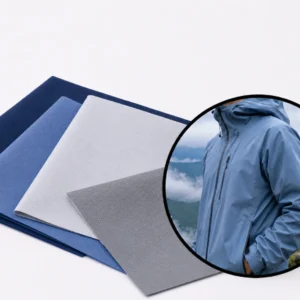
Our Legacy of Innovation
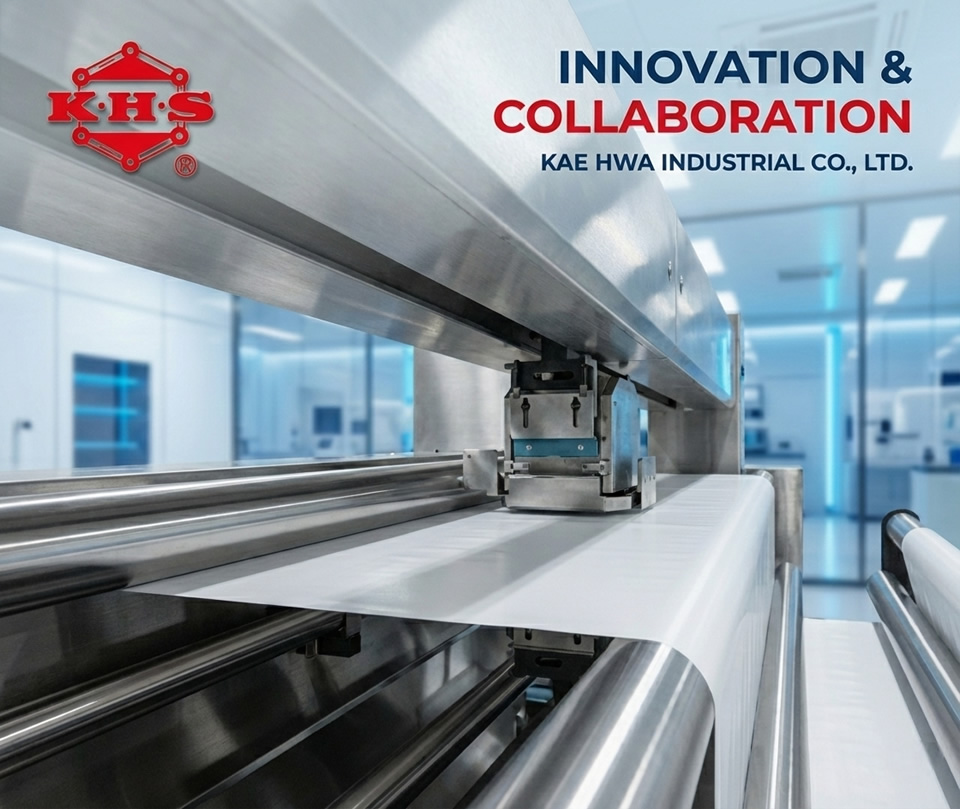
Kae Hwa Industrial Co., Ltd. is a Taiwan-based manufacturer of waterproof and breathable membrane technology, producing the MicroBreath, AquaVene, HydraProof, MediShield, InduBarrier and HygieSoft product lines for the medical, hygiene, construction, industrial, agricultural, outdoor and packaging industries. For more than 60 years, our deep roots in chemical science have been the foundation of your safety. What began in 1961 has evolved into a relentless pursuit of perfection in breathable waterproofing. We are the invisible strength behind global brands, engineering the silent barriers that keep comfort in and danger out.
Exhibition Information
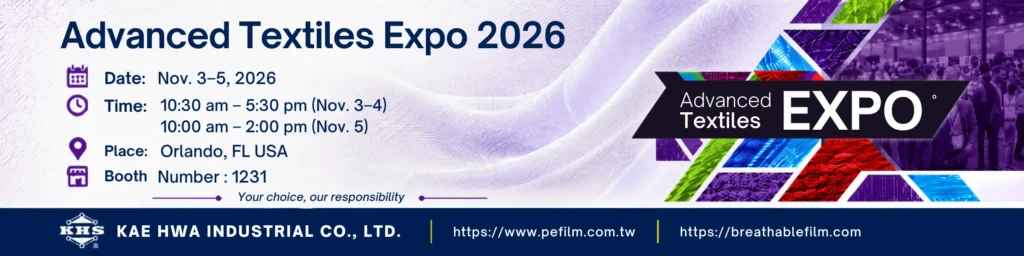
📅 November 3–5, 2026
🕘 November 3–4: 10:30 AM – 5:30 PM/November 5: 10:00 AM – 2:00 PM
📍 Orlando, Florida, USA
🔢 Booth Number: 1231
Advanced Textiles Expo 2026, Orlando, Florida
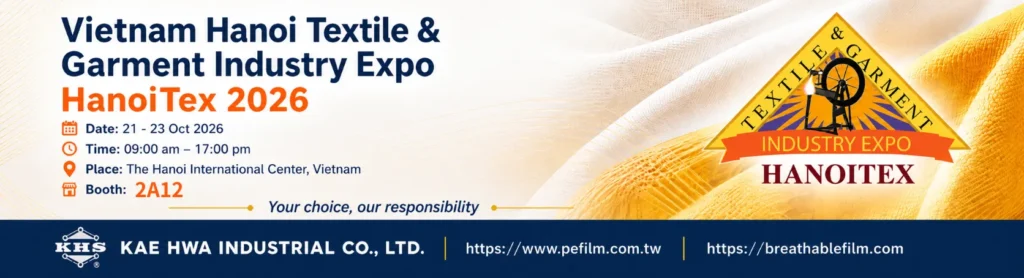
 October 21–23, 2026
 09:00 AM – 17:00 PM
 The Hanoi International Center, Vietnam
 Booth Number:2A12
Vietnam Hanoi Textile & Garment Industry Expo 2026, HanoiTex Exhibition
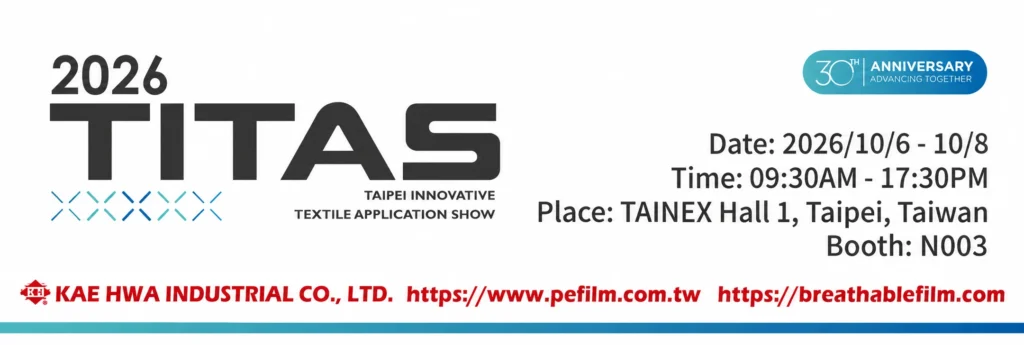
📅 October 6 – 8, 2026
🕘 09:30 AM – 17:30 PM
📍 Taipei Nangang Exhibition Center, Hall 1 (TAINEX 1), Taipei, Taiwan
Booth Number:N003
The 30th Taipei Innovative Textile Application Show, TITAS Exhibition
What Are the Key Product Specifications at Kae Hwa Industrial?
Kae Hwa Industrial Co., Ltd. is a Taiwan-based manufacturer of waterproof and breathable membrane technology. Key facts:
- Founded in 1961 – more than 60 years of continuous production in breathable film manufacturing.
- Thickness precision of ±0.01 mm across breathable film production lines.
- Eleven product lines: MicroBreath, AquaVene, HydraProof, MediShield, InduBarrier, HygieSoft, BuildBreathe, AgriGuard, LiteShell, ProShell and FunPack.
- Serves seven industry sectors: medical, hygiene, construction, industrial, agricultural, outdoor and packaging.
- Both 2-layer and 3-layer lamination constructions are available, depending on application requirements.