PACKAGING APPLICATION

The Art of Freshness.

Where advanced membrane technology meets packaging safety and consumer experience.

Discover Solutions

+

+

AromaFlow Breathable LaminateFor fragrance and aroma sachets. →

+

ThermoBreathe Regulating MembraneAdvanced oxygen regulating for thermal packs. →

Packaging Insights.

Deep dives into the science of shelf-life extension and global food-grade safety standards.

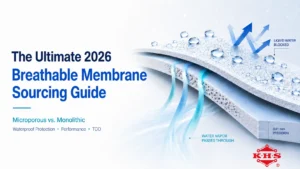
The Ultimate 2026 Breathable Membrane Sourcing Guide

This comprehensive B2B sourcing guide is tailored for R&D engineers, procurement managers, and product managers...

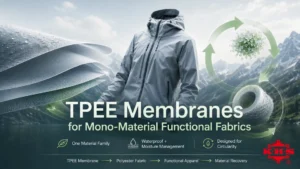
TPEE Membranes for Mono-Material Functional Fabrics

How TPEE Moisture-Permeable Membranes Support Mono-Material Functional Fabrics As circular design becomes more important in...

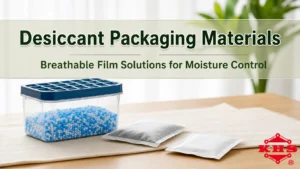
Desiccant Packaging Materials | Breathable Film Solutions

Why Breathability Is Important for Desiccant Packaging Breathable Film Desiccant and functional packaging products rely...

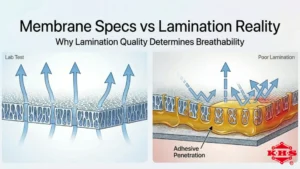
Beyond Membrane Specs: Why Lamination Quality is the True Game Changer

Why Lamination Quality Matters in Waterproof Breathable Laminates When procuring waterproof breathable textiles for medical PPE,...

“Breathable” Does Not Mean “Leaky”: How Waterproof Breathable Membranes Work and How to Choose the Right One

“Breathable” Does Not Mean “Leaky”: How Waterproof Breathable Membranes Work and How to Choose the...

Rethinking Waterproofing: The Thermodynamic Power of Microporous Membranes

Rethinking Waterproofing: The Thermodynamic Power of Microporous Membranes For generations, the concept of “protection” in...

Cooler, Drier, Softer: Optimizing Diaper Backsheets for Skin Wellness | Kae Hwa

Stopping the “Greenhouse Effect”: How to Design Diapers That Breathe and Protect In the hygiene...

Material Selection Guide: PE, PP, or TPEE? Choosing the Right Breathable Film | Kae Hwa

Decoding the Polymer: How to Select the Ideal Film for Your Application When sourcing premium...

FAQ.

Technical inquiries regarding our high-barrier packaging films and customized fresh-keeping solutions.

It is engineered for high-risk industrial and medical applications, including chemical handling, asbestos removal, biohazard cleanup, and emergency response.

It is fully certified to CE Type 4B, 5B, and 6B for liquid spray and particulate protection, EN 14126 for biological hazards, and EN 1149-5 for antistatic safety.

Yes. The microporous structure maintains a moisture vapor transmission rate (WVTR) of 2,000–5,000 g/m²·24hr, allowing body heat to escape while providing a reliable liquid-tight barrier against toxic spills.

Meeting EN 1149-5 standards, the fabric prevents electrostatic discharge. This is a mandatory safety feature for preventing sparks in explosive or highly flammable chemical environments.

We offer customizable basis weights (43–100 gsm), thicker profiles (180–300 μm) for extreme durability, and industrial color options including Khaki and Black, alongside specialized anti-static or printing surface treatments.