CONSTRUCTION APPLICATION

Built to Endure.

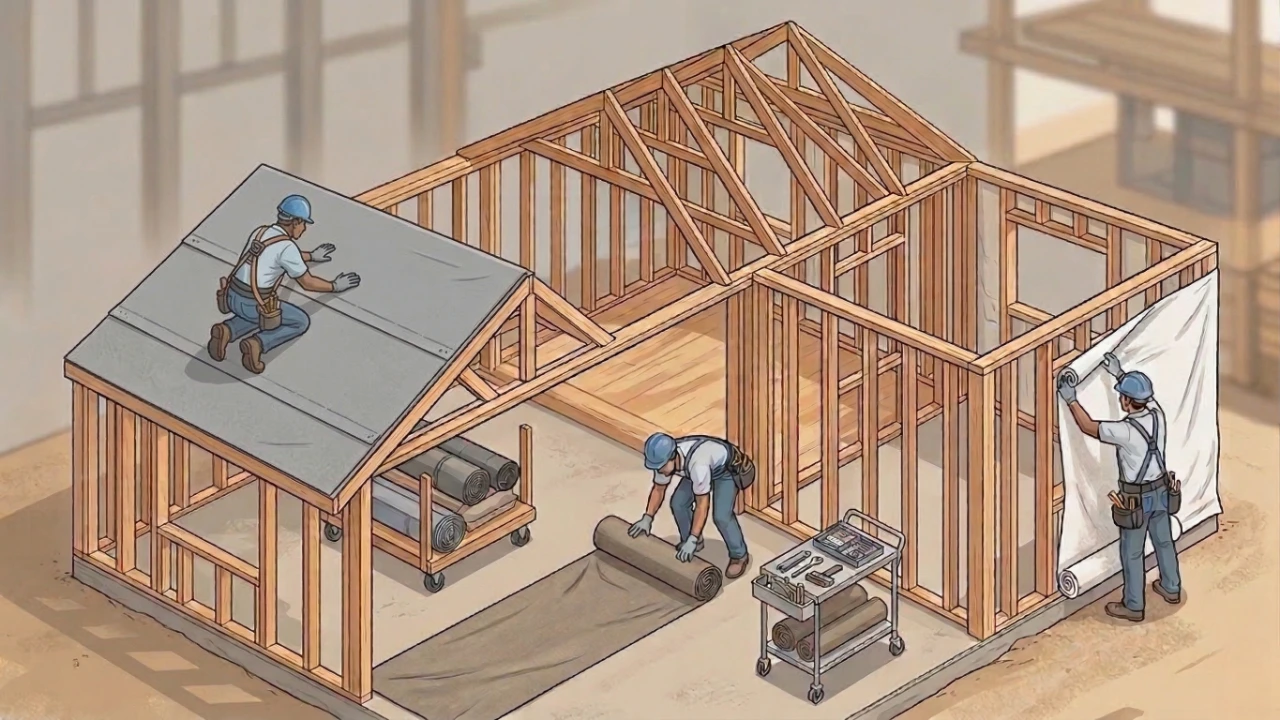
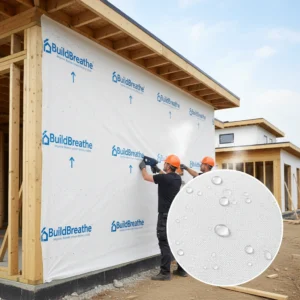
Ensuring Proven weather-resistant membrane technology for sustainable and durable construction.

Discover Solutions

Construction Insights.

Deep dives into the science of weather-resistant barriers and advanced building durability standards.

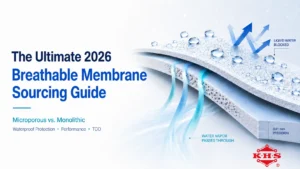
The Ultimate 2026 Breathable Membrane Sourcing Guide

This comprehensive B2B sourcing guide is tailored for R&D engineers, procurement managers, and product managers...

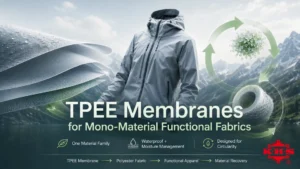
TPEE Membranes for Mono-Material Functional Fabrics

How TPEE Moisture-Permeable Membranes Support Mono-Material Functional Fabrics As circular design becomes more important in...

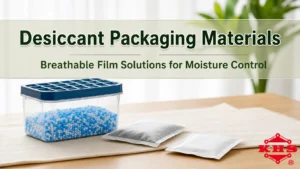
Desiccant Packaging Materials | Breathable Film Solutions

Why Breathability Is Important for Desiccant Packaging Breathable Film Desiccant and functional packaging products rely...

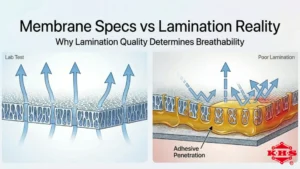
Beyond Membrane Specs: Why Lamination Quality is the True Game Changer

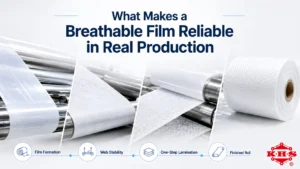
Why Lamination Quality Matters in Waterproof Breathable Laminates When procuring waterproof breathable textiles for medical PPE,...

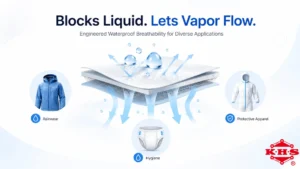
“Breathable” Does Not Mean “Leaky”: How Waterproof Breathable Membranes Work and How to Choose the Right One

“Breathable” Does Not Mean “Leaky”: How Waterproof Breathable Membranes Work and How to Choose the...

Rethinking Waterproofing: The Thermodynamic Power of Microporous Membranes

Rethinking Waterproofing: The Thermodynamic Power of Microporous Membranes For generations, the concept of “protection” in...

Cooler, Drier, Softer: Optimizing Diaper Backsheets for Skin Wellness | Kae Hwa

Stopping the “Greenhouse Effect”: How to Design Diapers That Breathe and Protect In the hygiene...

Material Selection Guide: PE, PP, or TPEE? Choosing the Right Breathable Film | Kae Hwa

Decoding the Polymer: How to Select the Ideal Film for Your Application When sourcing premium...

FAQ.

Common inquiries regarding our high-performance weather barriers and building membrane solutions.

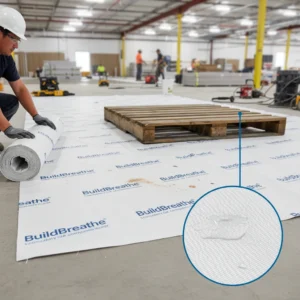
Newly installed floors, especially wood and concrete, release moisture as they cure. Non-breathable covers trap this moisture, causing wood to warp or concrete to develop efflorescence (white powdering). BuildBreathe™ allows these vapors to escape while keeping liquid spills out.

The nonwoven layer serves two roles: it provides a soft, non-abrasive contact surface for the floor and acts as a mechanical buffer to absorb impacts from tools and foot traffic, preventing scratches and dents.

Yes. Our lamination technology produces a highly tear-resistant composite. We can customize the GSM (weight) of the nonwoven and the thickness of the film to meet the specific durability requirements of heavy-duty commercial construction.

Microporous films utilize a physical pore structure to allow air and vapor through while blocking liquids. In contrast, Monolithic films (AquaVene™) are non-porous and rely on hydrophilic polymer chemistry to disperse water vapor molecules via molecular diffusion.

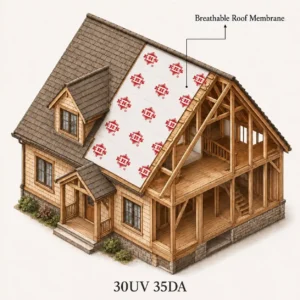
Yes, the membrane is engineered with specific UV and thermal stabilizers to maintain dimensional stability under extreme outdoor conditions. It provides a durable, weather-resistant barrier that remains effective during demanding construction phases.

Kae Hwa utilizes a solvent-free in-line lamination process to minimize VOC emissions and energy consumption. Our commitment is backed by GRS certification for recycled content and ISO 14064-1 carbon verification.