
Membrane Technology
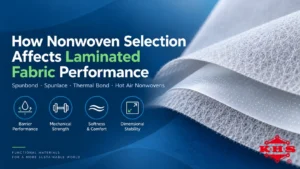
How Nonwoven Selection Affects Laminated Fabric Performance: Spunbond, Spunlace, Thermal Bond & Hot Air Nonwovens
When sourcing waterproof and breathable laminates, buyers often begin with the membrane: GSM, WVTR, hydrostatic...
Sep
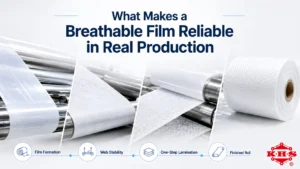
What Makes a Breathable Film Reliable in Real Production
See what actually determines breathable film production reliability: thickness control, lamination, and converting speed all...
Sep
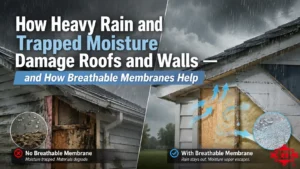
How Heavy Rain and Trapped Moisture Damage Roofs and Walls — and How Breathable Membranes Help
Heavy rain can leave moisture trapped inside roofs and walls even after the surface looks...
Aug
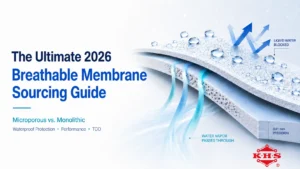
The Ultimate 2026 Breathable Membrane Sourcing Guide
A B2B sourcing guide comparing microporous (MicroBreath™) and monolithic (AquaVene™) breathable membranes—covering MVTR, hydrostatic head,...
Jul
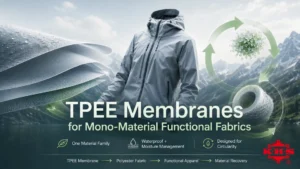
TPEE Membranes for Mono-Material Functional Fabrics
How TPEE moisture-permeable membranes support mono-material, more recyclable outdoor fabrics—combining waterproof protection, moisture vapor transmission,...
Jul
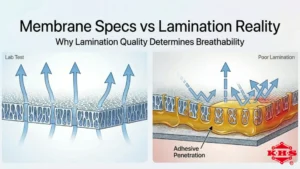
Beyond Membrane Specs: Why Lamination Quality is the True Game Changer
Why a top-tier MVTR spec can still fail after lamination, and how Kae Hwa’s in-line...
Jun
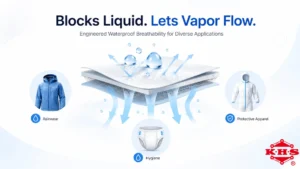
“Breathable” Does Not Mean “Leaky”: How Waterproof Breathable Membranes Work and How to Choose the Right One
Why breathable does not mean leaky: how microporous and monolithic waterproof membranes work, and how...
May

Rethinking Waterproofing: The Thermodynamic Power of Microporous Membranes
The physics behind microporous membranes: how pore sizes of 0.1–10 μm block liquid water yet...
Apr
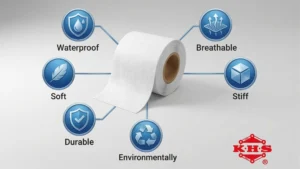
Material Selection Guide: PE, PP, or TPEE? Choosing the Right Breathable Film | Kae Hwa
Comparing PE, PP, and TPEE breathable films across breathability mechanism, waterproofness, elasticity, heat resistance, recyclability,...
Jan
The Science of Balance: Engineering Waterproof Breathable Membranes for Global Compliance | Kae Hwa
When a raindrop lands on a fabric without penetrating, yet heat silently escapes from within,...
Jan