Stopping the “Greenhouse Effect”: How to Design Diapers That Breathe and Protect
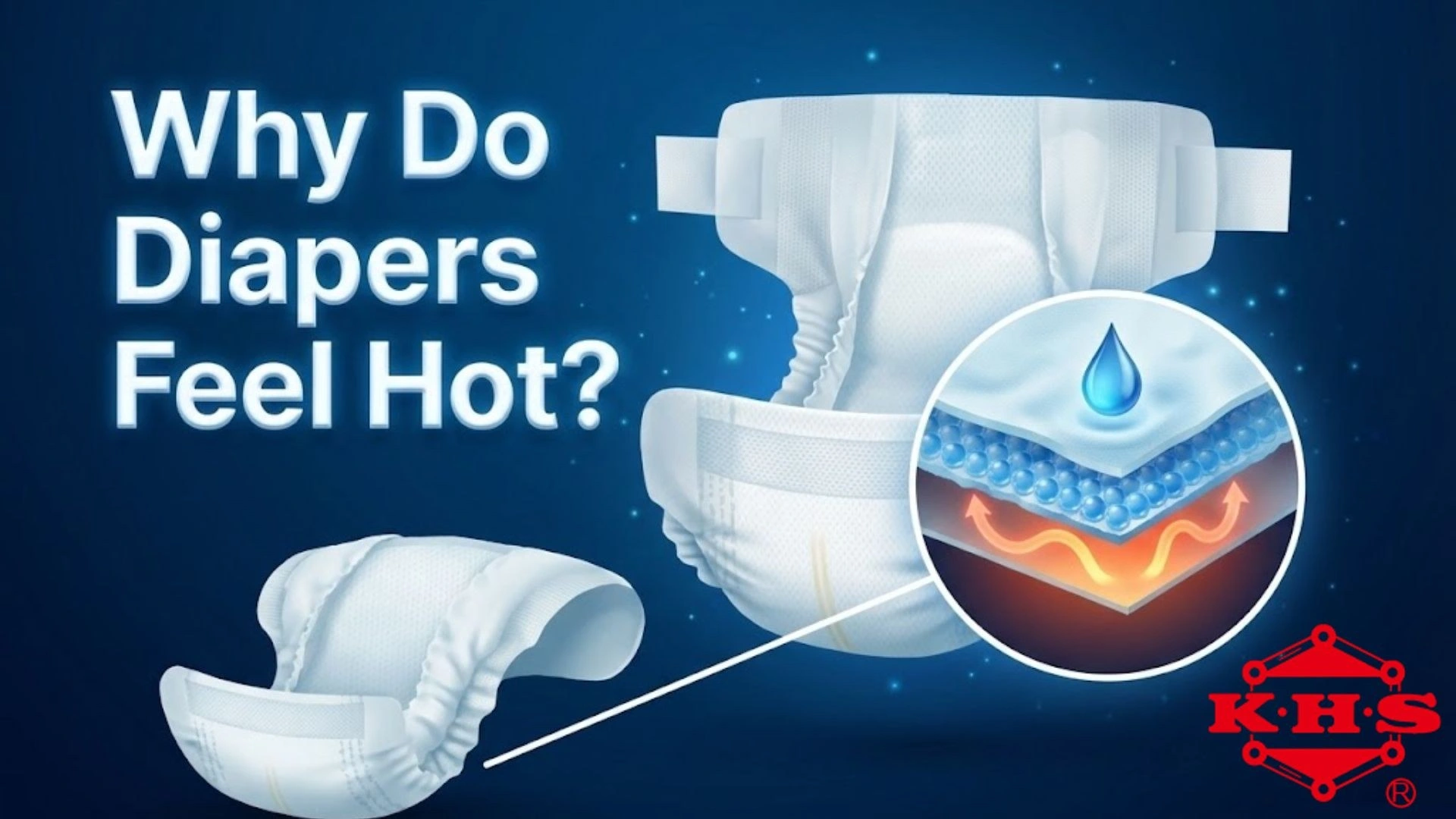
In the hygiene industry, a dry surface doesn’t always equal healthy skin. While absorbent cores lock away liquid, standard plastic backsheets often trap something else: heat. This trapped moisture vapor creates a “greenhouse effect” inside the diaper, leading to discomfort and the dreaded diaper rash.
For manufacturers, the challenge is clear: How do you block leaks without suffocating the skin? The answer lies in replacing traditional films with HygieSoft™, a specialized microporous laminate engineered by Kae Hwa Industrial to balance absolute protection with premium comfort.
The Technology of Comfort: Microporous vs. Conventional Films
The difference between a “budget” diaper and a “premium” one often comes down to the backsheet. Conventional PE films are impermeable barriers—effective, but stifling.
Our approach is different. We utilize Casting Film Technology to produce films with a uniform pore structure. These billions of microscopic pores are engineered to be:
- Small enough to block large liquid molecules (urine).
- Large enough to allow tiny water vapor molecules (sweat and heat) to flow freely.
This consistent Moisture Vapor Transmission Rate (MVTR) is crucial for maintaining a stable microclimate next to the user’s skin, significantly reducing the risk of irritation.
HygieSoft™: Engineered for the Premium Market
Modern consumers—whether parents buying for babies or caregivers for adults—demand products that feel like clothing, not plastic. The HygieSoft™ series addresses this through advanced material science:
- Cloth-Like Haptics: By laminating our microporous film with ultra-soft nonwovens, we create a cushioned, textile-like surface that eliminates the rubbery feel of standard backsheets.
- Quiet Performance: The lamination process dampens sound, making the product “rustle-free.” For the adult incontinence market, this discretion is a critical selling point.
- Leak-Proof Reliability: Despite being breathable, the core membrane provides a robust barrier against fluids, ensuring confidence during overnight use.
Manufacturing Efficiency: Stable and Customizable
A great material must also be easy to process. We know that downtime on high-speed diaper lines is costly.
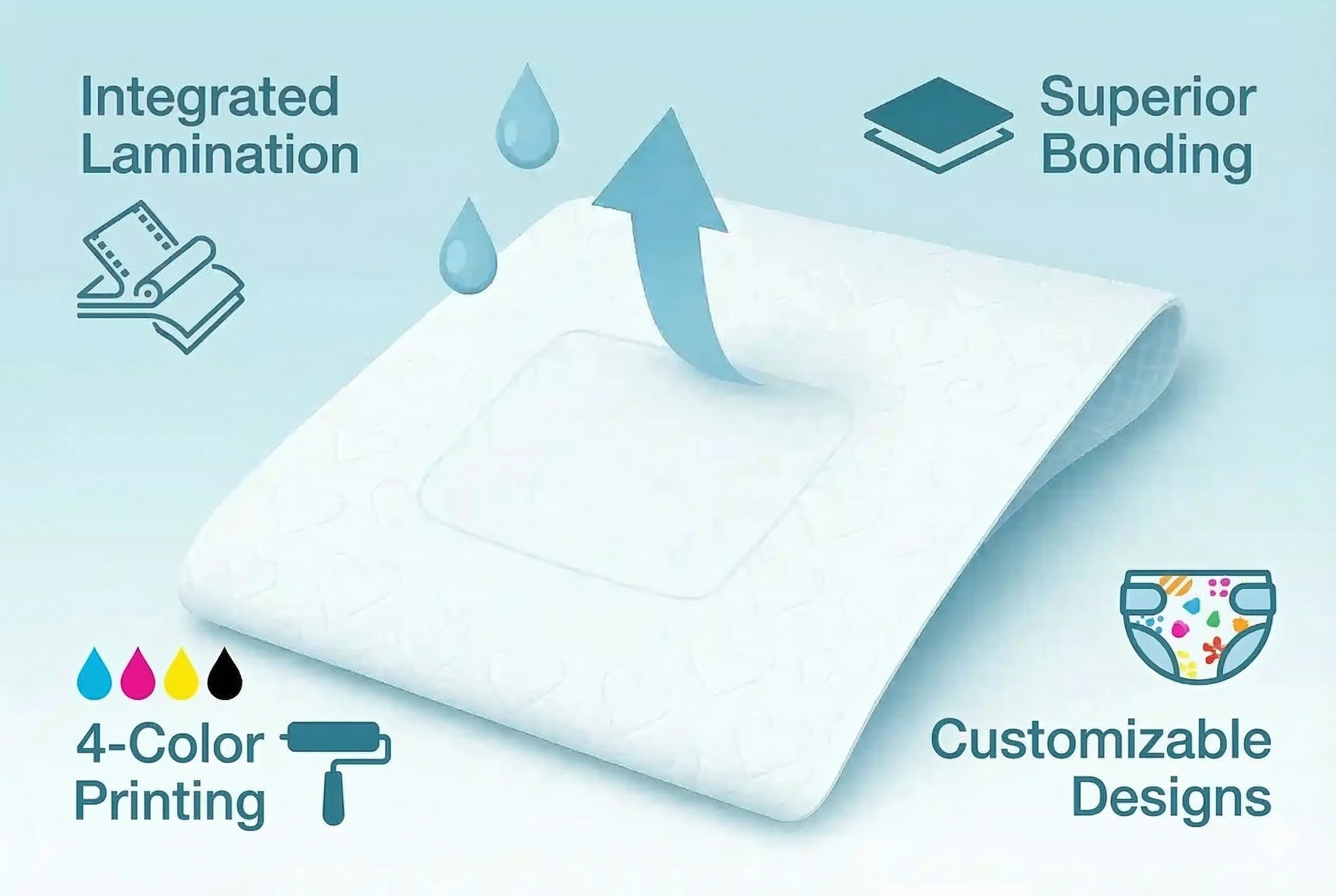
- Integrated Lamination: We use In-Line Lamination Technology to bond the film and fabric in a single, continuous step. This eliminates the need for reheating, resulting in a composite material with superior bonding strength that won’t delaminate during your conversion process.
- Brand Identity: To help your product stand out on the shelf, we offer 4-Color Printing directly on the film. Our technology ensures excellent ink adhesion and color fastness without clogging the breathable pores, allowing for vibrant, safe designs.
Sustainability in Hygiene
As the industry moves toward greener solutions, your material choices matter. Our production process utilizes solvent-free lamination, significantly reducing VOC emissions. Furthermore, our commitment to cleaner manufacturing aligns with global environmental goals, offering a responsible choice for eco-conscious brands.
Elevate Your Hygiene Brand Today
Is your current backsheet holding your product back? Contact Kae Hwa to request technical data sheets and samples of our HygieSoft™ breathable laminates. Let’s build a cooler, more comfortable product together.
👉 Contact Us for Samples
Frequently Asked Questions (FAQ)
Q: Can this material be used for adult incontinence products?A: Absolutely. HygieSoft™ is widely used in adult nursing underpads and incontinence briefs. We can adjust the laminate’s tensile strength to handle larger product sizes while maintaining the discreet, quiet profile that adult users require.
Q: Does printing affect the film’s waterproof capability?A: No. Our printing process is non-invasive. It applies visual designs for branding (like sizing indicators or logos) without compromising the film’s hydrostatic resistance or breathability.
Q: What makes your lamination “production-ready”?A: Consistency. Our casting technology maintains a thickness tolerance of ±0.01 mm. This uniformity ensures stable tension control on your production lines, minimizing web breaks and waste.